Women in Manufacturing Conference: How Facility Design Impacts Retention
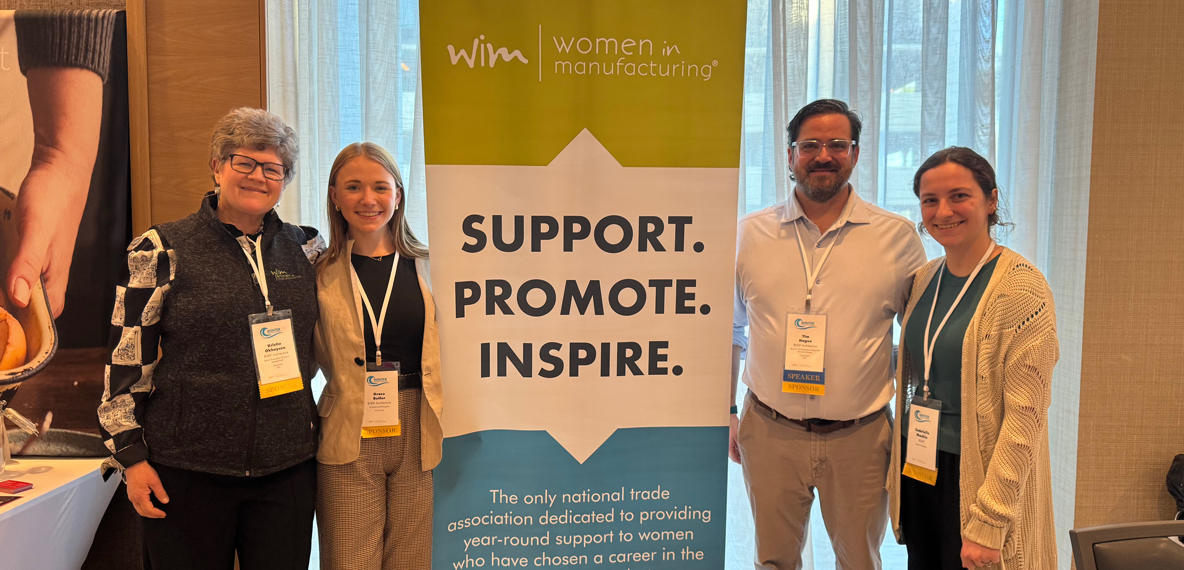
BHDP was proud to sponsor the 2026 Women in Manufacturing (WiM) Winter Workforce Conference in Clearwater Beach, Florida. The event centered on navigating industry challenges, building connections through networking, and improving workforce retention and development.
One of the clearest takeaways from the conference was this: Facility design is just as much about people as it is about production. Our buildings shape how employees feel when they arrive, how valued they feel during the workday, and whether they see a future for themselves at that company.
The conversations we heard at the WiM Conference reinforced something we think about every day at BHDP: the built environment directly influences attraction, engagement, and retention.
About Women in Manufacturing (WiM)
Over the last decade, Women in Manufacturing (WiM) has grown as the only national and global trade association dedicated to providing year-round support to women in manufacturing. Today, it includes more than 24,000 individual members across more than 3,000 manufacturing companies, spanning all 50 U.S. states and 50+ countries.
That scale matters because it means the conversations at this conference were not theoretical. They were grounded in what manufacturing leaders and employees are experiencing right now.
The Roundtable: What Design Really Impacts
Our Industrial team had the privilege of leading a discussion focused on how the design of a manufacturing facility impacts workforce attraction, and how thoughtful design affects the day-to-day experience in ways that can reduce burnout and strengthen culture.
Our design team was encouraged by hearing the actions workforce members have taken to improve the employee experience. During the roundtable, participants shared specific examples of implemented changes and the positive outcomes that followed. Whether large or small, changes should be tailored to the needs of each facility—but recognizing the need for change is essential for growth.
The “Dark, Dingy Factory” Problem Isn’t Just an Image Issue
A consistent theme came up quickly: people don’t want to work in a dark, dingy factory anymore. Not because they expect luxury, but because those conditions send a message (whether intended or not) that employees aren’t valued.
We heard variations of the same idea: employees want spaces that are bright, welcoming, and supportive. They want to feel a sense of belonging and know their work is meaningful. When the space is in disrepair or feels forgotten, it’s hard for employees to stay energized and engaged.
What Participants Said They’re Struggling With
We opened the roundtable up for discussion, asking, “What troubles are you running into with facility design and attracting workforce?” The answers we received were direct, clear, and relatable:
- Bathrooms that are outdated and inefficient
- Cafeterias that fail to provide a restorative environment and are situated within noisy production areas
- No natural light, making long shifts feel even longer
- Disrepair, and buildings that feel messy and disorganized
- Inefficient space to grow, leaving teams stuck with layouts that no longer support current operations
None of this is surprising. But hearing it in an open forum made it clear how widespread these pain points are—and how often they get in the way of retention and recruiting.
Designing for Women in Manufacturing: Needs That Can’t Be an Afterthought
One of the most important parts of the discussion was hearing challenges that women in industry face, especially around whether basic needs are actually being met in production environments.
Nursing and Pumping Needs on the Floor
We discussed real experience and recurrent frustrations about what it can look like when there isn’t adequate support for women who are nursing and pumping. In some cases, women described having to bring a cooler and a portable pump to work. This kind of cultural dismissal affects whether employees feel respected, supported, and able to sustain their careers.
Flexibility is Physical and Policy-Based
There was also significant discussion around flexibility, including within HR policies. The roundtable highlighted that physical design alone cannot solve issues with retention, but rather the design changes should be coupled with policies and workplace systems that support the people using the space.
The Power of Amenity Spaces (When They’re Done with Purpose)
Another theme: amenity spaces are not “nice-to-haves” when they help people recover from demanding work. We talked about providing spaces where employees can:
- Recharge during breaks
- Feel welcomed and valued
- Connect to the company’s story and culture
Simple examples discussed included creating a history wall about the site and sharing information about different employees—all ways to build identity and reinforce belonging.
BHDP Success Stories Shared: What “Good” Can Look Like
We shared BHDP success stories during the discussion to make the conversation practical. Two examples stood out.
VEGA: A Culture Shift Expressed Through Design
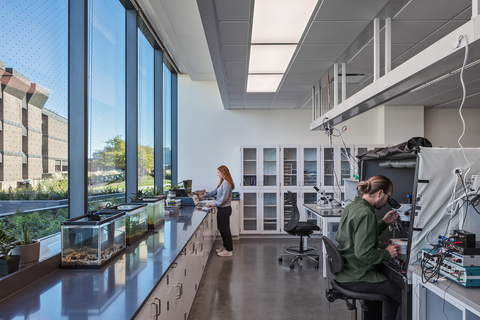
VEGA, a global manufacturer of sensors for level and pressure and other related devices and software, needed a campus that could support their long-term product development and growth strategy.
Their original facility in Oakley, a Cincinnati suburb, was at capacity, and struggled with retention, morale, and employee engagement. The company elected to expand their headquarters with a new site in Mason, a northern Cincinnati suburb, making a shift to align culture with the design and branding of their facility.
The result includes such features as:
- Natural light throughout
- A cafeteria
- A training center
- A walking path around the entire campus
- Onsite nursing and health services
- A fitness center
- A full kitchen and a chef on staff
The optimized workspace layout and many amenities were intentionally selected to benefit employees mentally and physically.
CPG: Repurposing and Modernizing Legacy Facilities
Another example is a confidential CPG client. This client’s location was outdated, built in the 1960s, and needed modernization. This included, among others:
Adding natural light
• Expanding the cafeteria
• Creating a welcoming lobby
• A complete history wall by Experiential Graphic Design (EGD)
• An open office
This example reinforced a key point: repurposing and modernizing existing space can dramatically change both experience and performance.
The “Top Impacts” We Kept Coming Back To
Throughout the roundtable, the most repeated design impact areas included:
- Outdated facilities
- Women in workforce needs
- Training facilities
- Ineffective plant flow
- Repurposing space
And importantly, we connected design back to operational outcomes. Inefficient plant flow, for example, can be addressed through throughput master planning, with measurable outcomes like cases produced per day. Even smaller wins matter too: if employees don’t have to walk 10 minutes to get to the bathroom because it’s closer now, that’s less wasted time and more efficiency.
Thoughtful and Inclusive Design Is a Retention Strategy
The Women in Manufacturing conference reinforced that design isn’t separate from workforce strategy—it is workforce strategy. When facilities support belonging, health, visibility, and day-to-day dignity, retention becomes more achievable. When they don’t, even strong teams and good leaders are fighting an uphill battle.
At BHDP, our industrial team helps organizations connect workforce goals to real, buildable solutions through intelligent design that supports everyday experience and long-term performance.
If you’re ready to take a fresh look at how your facility impacts your workforce, let’s talk—BHDP would be glad to help you identify the highest-impact next steps.