
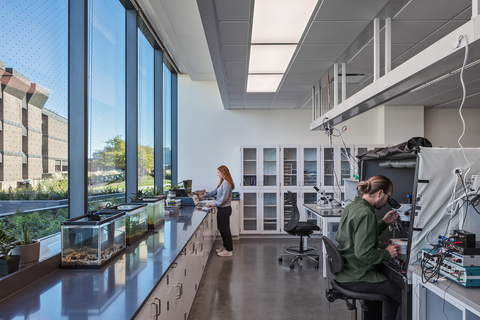
Building Student Well-Being into the Campus Foundation
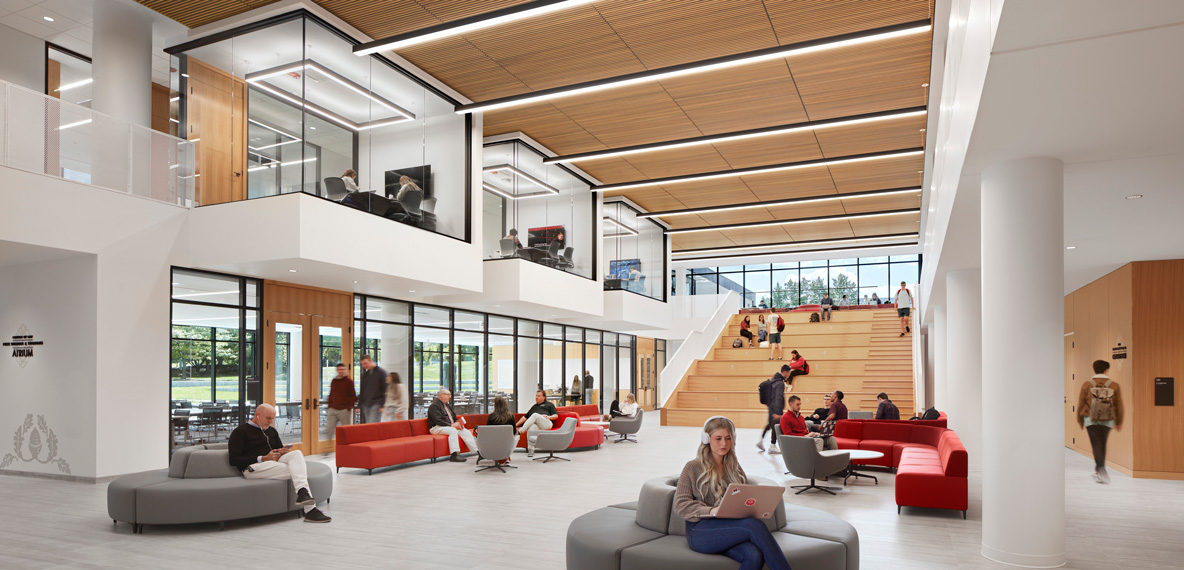
Student well-being has shifted from a support-service topic to a core driver of student success, retention, and institutional performance. Campuses are responding by expanding what “well-being” means to include mental, physical, social, and basic needs. Consequently, campus leaders are now designing environments and service models that reduce friction, making support easier to access, healthier choices easier to make, and connections easier to sustain.
The trends below reflect what we’re seeing higher education institutions actively plan for as they prepare for the next generation of learners and a rising expectation for care, belonging, and flexibility.
Holistic Well-Being Ecosystems Go Beyond the Counseling Center
Campuses are broadening “well-being” to include mental health, physical health, belonging, and basic needs. By distributing support across the student journey to include residence life, academics, recreation, dining, advising, and student services, help is easier to access and less dependent on one over-capacity office. The operational trend is toward clear protocols, defined roles, and warm handoffs that reduce students bouncing between departments (and reduce staff working in silos).
In the American College Health Association’s (ACHA) Fall 2024 National College Health Assessment, 30% of students reported anxiety negatively impacted their academics, reinforcing that well-being shows up directly in learning outcomes, not just in clinical settings. And basic needs are a major driver: The U.S. Government Accountability Office estimates 23% of college students (≈3.8 million) experienced food insecurity in 2020. This is a campus-wide systems issue involving dining, financial aid, student support, and community partnerships—not something counseling alone can solve.
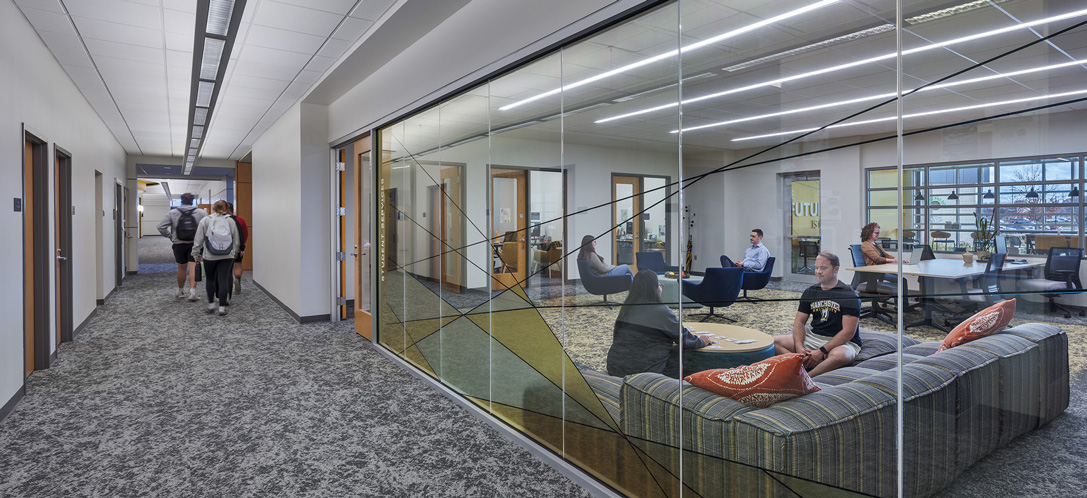
Manchester University Fort Wayne Campus Student Services Suite is centrally located offering support, a food pantry and a comfy couch for respite at the intersection of classrooms, faculty offices, and food service.
More Frequent, Lower-Barrier Access to Support
Demand is pushing institutions toward “right-size” models that match how students actually seek help—fast, local, and easy to understand. Instead of routing everything through a single counseling center (often perceived as intimidating, overbooked, or hard to navigate), campuses are expanding a menu of options to reduce handoffs and delays, including:
- Walk-in/urgent access
- Embedded counselors in high-touch settings
- Group programs
- Peer supports
- Clear referral pathways
On the planning side, this shows up as more distributed points of service – like student centers, residence life, health services, and academic success hubs – and spaces that support a range of interactions, from brief drop-ins to private consults. These options allow students to access support without forcing them to make an appointment in order to be heard. The Association for University and College Counseling Center Directors (AUCCCD) reports ~11% of students at four-year institutions accessed counseling services between July 1, 2023, and June 30, 2024—demand that quickly becomes capacity pressure when concentrated in one place. Meanwhile, the 2024–2025 Healthy Minds Study found ~37% of students received therapy or counseling in the past year, reinforcing that students will engage when pathways feel accessible and stigma is reduced.
Micro Restoration: Small Spaces Designed for Regulation + Recovery
Campuses are intentionally adding small, easy-to-access spaces that help students self-regulate and recover in the moment—quiet rooms, sensory downshift spaces, reflection/prayer rooms, decompression nooks in libraries and student centers, and outdoor “reset” zones. These are not big capital moves; they’re high-impact, low-square-footage interventions that signal a culture shift: it’s acceptable (and expected) to pause, recalibrate, and return to learning.
What’s changing is where these spaces live: closer to the “stress nodes” of campus (high-traffic academic buildings, library cores, student centers, advising hubs) and designed to feel normal and welcoming—not hidden, medicalized, or only for crisis.
For the University of Kentucky Martin-Gatton Agricultural Sciences Building, the BHDP Higher Education team designed two wellness rooms in an academic building, allowing students to choose between a quieter space for rest and recentering and a more active space that provides stress relief through activities such as art projects.
Diverse Student Needs Necessitate Diverse Supportive Environments
Higher ed is increasingly designing campus environments to work well for more students, especially those with diverse needs. This is part of a broader push to reduce friction in the daily campus experience—because when the baseline environment is calmer and easier to navigate, students can spend more energy on learning, connection, and performance.
Trauma-informed and Neuroinclusive Environments
Some of these diverse student needs can include:
- Sensory sensitivities
- Attention differences
- Anxiety
- Heightened stress responses
It is essential for these students to prioritize choice, control, and clarity. Practically, that means more controllable lighting, stronger acoustic management, intuitive wayfinding, and a deliberate mix of settings (open/social zones and quiet/private options) so students can self-select what they need in the moment. ACHA’s Spring 2022 reference group reported 15% ADHD and 2.9% ASD, underscoring how many students benefit from sensory-conscious, choice-rich environments. And the Healthy Minds Study reporting that 18% of students had severe depression symptoms reinforces why predictability, reduced overstimulation, and supportive transitions are becoming baseline expectations, not “special features.”
Combating Loneliness: Social Connection as a Healthy Strategy
“Belonging” is becoming a measurable student-success outcome, so planning is naturally shifting toward programmed, everyday connections that happen naturally across the week, not just at big events. We’re seeing increased emphasis on spaces like:
- Flexible commons
- Learning lounges
- Residence hall "third places"
- Transparent student-organization visibility
- Social study settings
These spaces make it easy to connect without needing to “opt in” to a formal program. The key design question is moving from “Do we have enough seats?” to “Do we create more reasons for positive, low-pressure interaction—especially for students who are new, commuting, or underrepresented?”
Healthy Minds (2024–2025) found 52% of students reported high loneliness, which keeps this from being a “nice idea” and positions it as a real, measurable risk to persistence and well-being.
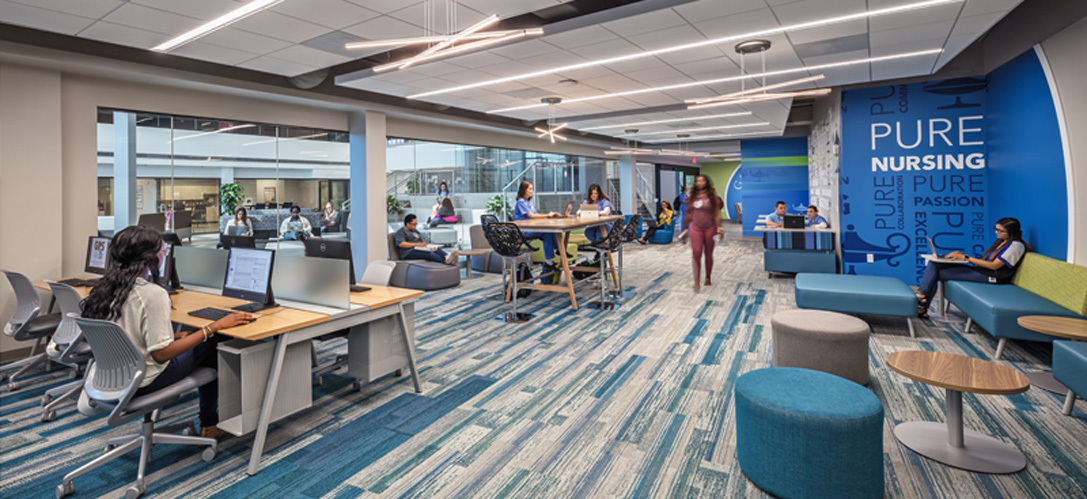
Gallen College of Nursing called BHDP 6-months after the opening of one of their flagship campuses stating “We have a problem, the students are enjoying the space so much that they wont go home.” Galen students have a 97% pass rate of NCLEX exams.
Food as Wellness: Dining Spaces Are About Nutrition, Access, and Belonging, Not Just Capacity
The trend is moving toward healthier defaults, clearer nutrition transparency, expanded allergen support, and culturally inclusive menus. The key is to pair these measures with practical safety nets that reduce stigma and friction, like pantries, swipe-donation programs, and “no-questions-asked” meal access. On the planning side, we’re seeing more emphasis on healthy grab-and-go options where students already are, as well as teaching kitchens/demo spaces that build life skills and community.
Just as important: dining environments are being tuned to reduce stress—simpler circulation, less chaotic queuing, and a wider mix of seating types so students can choose the social intensity that fits their day. GAO’s estimate that 23% of college students experienced food insecurity helps leaders connect dining strategy directly to retention and equity outcomes.
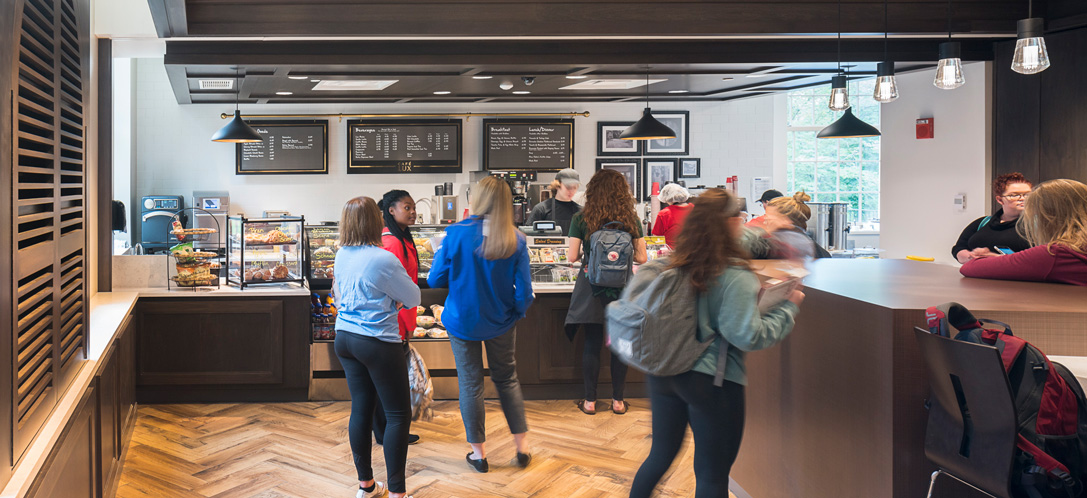
Miami University’s Armstrong Student Center has a number of dining options including a popular coffee shop and is designed as a nut-allergy friendly campus.
Weaving Fitness Into Daily Life with Movement Everywhere, Not Just the Rec Center
Campuses are shifting from a “go work out” model to a whole-campus movement strategy, largely because students’ schedules (and stress loads) make it unrealistic to rely solely on a single recreation destination. The planning response is to build movement into the day through alternatives like:
- Walkable/bikeable campus connections
- Safer and better lit routes
- More inviting stair experiences
- Outdoor fitness nodes
- Recreation spill-out spaces
- Micro-fitness moments near academic and residential zones
CDC guidelines recommend 150–300 minutes of moderate activity plus 2+ days of strength training. However, ACHA-NCHA-based analysis found only 29% of students met recommended activity guidelines, and 24% reported zero days of activity. This statistic supports embedding movement into everyday circulation patterns, rather than treating it as an optional destination behavior.
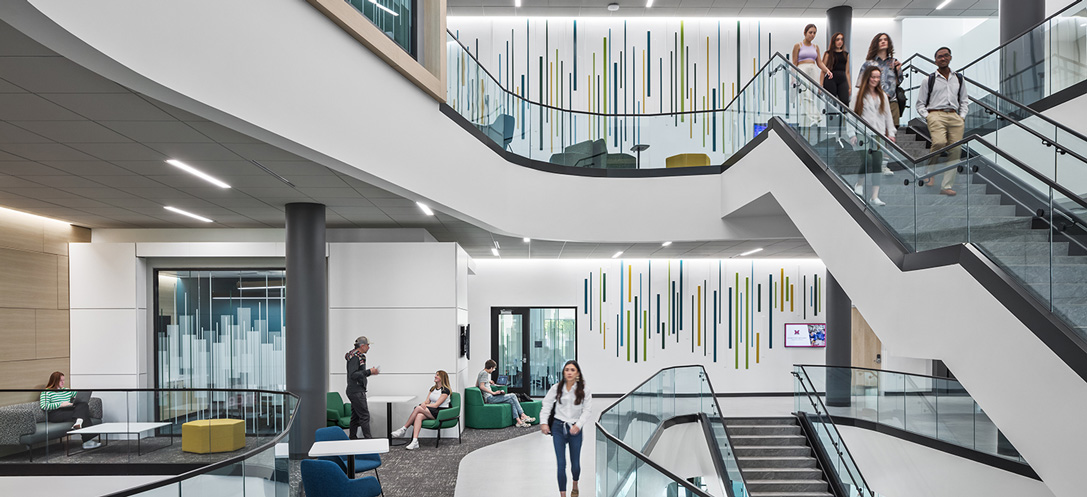
Miami University’s McVey Data Science Center’s central atrium creates a welcoming environment and connects the levels with generous stairs, encouraging active movement even in an academic building, while also maintaining a mobility-friendly elevator nearb
Sleep + Recovery as a First-Class Wellness Priority
Sleep is finally being treated as foundational infrastructure for student success, because it directly affects mental health, learning efficiency, decision-making, and resilience under stress. Campuses are moving beyond flyers touting sleep hygiene habits toward an actionable strategy that combines student coaching with environmental and policy support. These can include:
- Better acoustic control in residence halls
- Lighting strategies aligned with circadian rhythm
- Programming that reinforces quiet hours
- Access to true restorative spaces (nap/quiet pods, low-stimulation zones)
CDC recommends 7+ hours of sleep for adults 18–60, and national surveillance indicates more than one-third of adults sleep under 7 hours; paired with research linking less sleep to lower GPA (your ~0.07 GPA/hour figure), this gives institutions a straightforward rationale for investing in recovery-supportive environments.
Campuses Have A Golden Opportunity to Respond to Changing Student Needs
Taken together, these trends point to a clear opportunity: campuses that proactively respond to changing student needs can create healthier learning environments—and strengthen recruitment, retention, and student success in the process. Now is a great time to step back and assess where your campus is already supporting well-being. Institutions can choose one or two high-impact focus areas—movement, nutrition, sleep/recovery, belonging, or low-barrier support—and evaluate how policies, services, and the physical environment can work together to move the needle.
Build a Better Campus Well-Being Foundation with BHDP
BHDP can help you build well-being into the fabric of your campus’s foundation in a practical, scalable way—whether you’re planning a major capital project or looking for targeted improvements.
We partner with institutions to evaluate campuses and individual projects through a well-being lens, identify small changes with big impact, and prioritize moves that are achievable within real budgets and timelines. Our team of experts can start you off with a focused walk-through and stakeholder workshop to surface quick wins and align them with your student success goals.
Reach out to BHDP using the form below to get your campus well-being movement underway.
Author
Content Type
Date
July 09, 2026
Market
Topic
Student Retention
Wellness
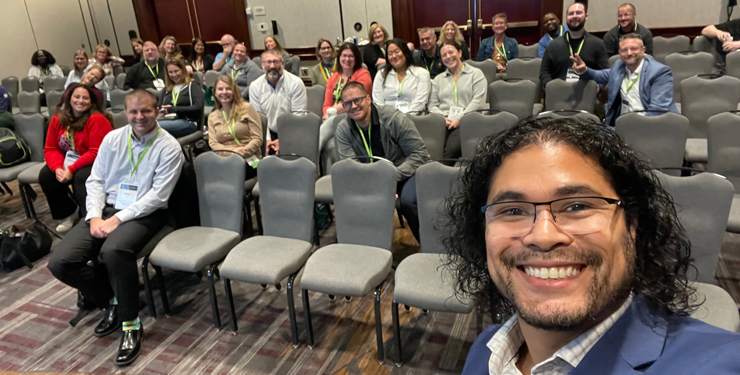
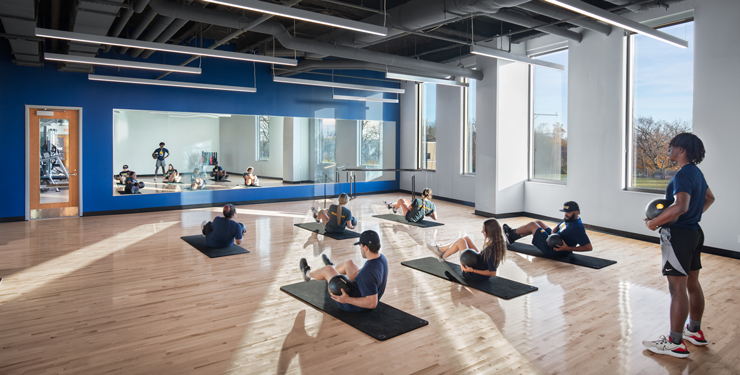

Alejandro J. Medina, Client Leader
With over 16 years of experience, Alejandro J. "AJ" Medina works closely with his clients to understand their vision and values, identify strategic goals, and translate this understanding into the design of physical space that promotes the vision, values, and specific project goals. He builds strong relationships with his clients and successfully coordinates the efforts of architects, engineers, and key client stakeholders. AJ’s experience includes visioning, programming, and design for new construction and renovation projects, including student life, collaborative learning environments, health sciences education, athletics, residence life, and research and teaching laboratories.