
CoreNet Global Summit Chicago: AI, Workplace, and the Power of Human Connection
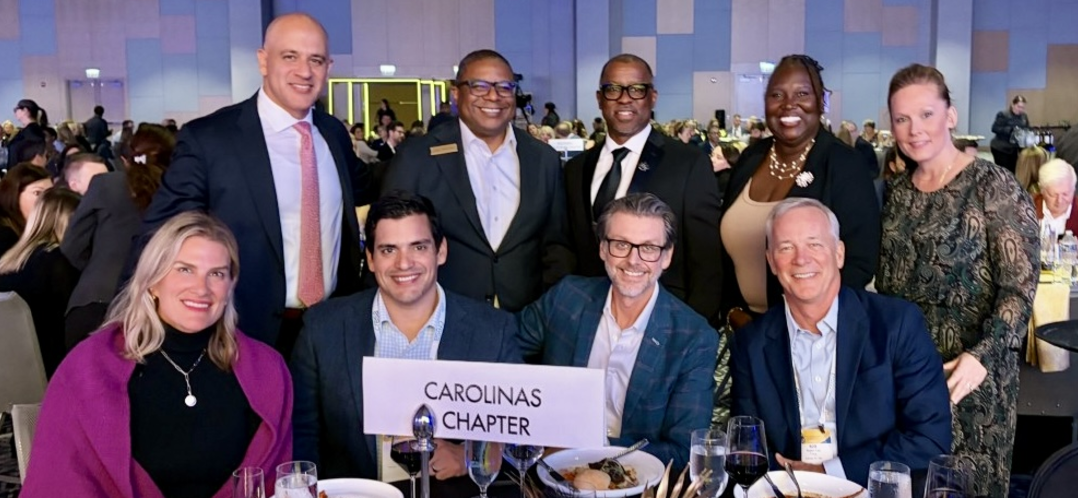
Every year, CoreNet Global brings together some of the brightest minds in corporate real estate, workplace strategy, technology, and operations. As an attendee and active leader within CoreNet Carolinas, serving as the Charlotte Market Head of Member Engagement and Connectivity, I arrived in Chicago with three simple goals: learn from peers, gain a clearer understanding of the challenges organizations are facing, and identify ways we can create more value for clients navigating an increasingly complex environment.
What I found was that even the most sophisticated organizations are still working through many of the same workplace challenges. Nobody has it all figured out, and honestly, that may have been the most valuable insight of the entire week.
We're All Working Through the Same Challenges
In a room full of smart people, it's easy to assume that organizations have solved the biggest workplace challenges such as, navigating hybrid work, strengthening culture, leveraging AI effectively, or even measuring workplace success. After dozens of conversations, learning sessions, and networking events, one theme became clear: we're all working through many of the same questions. The organizations we often view as industry leaders are still experimenting. They're testing strategies, refining processes, and learning as they go. There wasn't a sense that everyone else had the answers. Instead, there was a collective desire to learn from one another and a recognition that the challenges facing our organizations are often more similar than we think.
Moving AI from Possibility to Practical Application
One topic that seemed omnipresent was AI. Nearly every conversation touched on it in some way. What resonated most was how much the conversation had evolved. Previous discussions around AI focused largely on possibilities, but this year, the focus shifted toward practical application, governance, and measurable results.
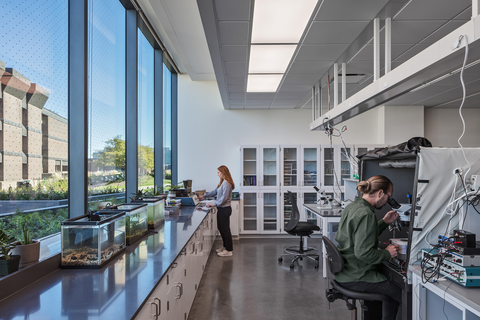
I attended a presentation from the University of Chicago Medical School focused on portfolio and space utilization analysis. Using occupancy sensors and AI-driven data aggregation, the study found that even under conservative assumptions, nearly half of the space analyzed could be repurposed for other programs. That insight provided a pathway to significantly expand laboratory capacity without constructing additional space. It was a compelling example of how organizations can use data to make more confident real estate decisions while maximizing existing assets.
Another standout presentation came from GE HealthCare and focused on corporate real estate process improvement. At the center of the discussion was information centralization, with designated data owners responsible for creating, maintaining, and validating specific datasets. In their example, real estate owned location data, naming conventions, and facility information, while procurement owned vendor information and responsibility matrices, and HR owned workforce projections and headcount data. The result was a trusted source of truth with consistent terminology, cleaner data, and greater accessibility across the organization.
This approach increased data utilization, improved information sharing, and streamlined decision-making. Once the data foundation was in place, AI could more effectively identify patterns, surface insights, and highlight gaps. With reliable information at their fingertips, leaders could act more quickly and with greater confidence. A reoccurring theme throughout the week was that successful AI adoption is not about finding the perfect platform; it is about creating the foundation that allows AI to be effective. Clean your data. Create a single source of truth. Standardize your processes and build from there.
Several technology leaders shared stories about software platforms they enthusiastically adopted just a year ago that have already been replaced. It was an important reminder that technology evolves rapidly, but good information management, clear ownership, and sound business processes tend to outlast any individual platform. The organizations making the most meaningful progress were not necessarily the ones with the newest tools. They were the ones that had done the hard work of organizing their information and establishing credibility in their data.
As someone who spends a lot of time helping clients plan for future workplace needs, the GE HealthCare presentation was particularly interesting. It reinforced something we see regularly—organizations often want better insights, but the bigger challenge is creating confidence in the underlying information. Before AI can help leaders make smarter decisions, organizations need agreement on what data matters, who owns it, and how it is maintained.
Connecting Workplace Strategy to Business Outcomes
As I listened to these conversations, I found myself reflecting on how closely they mirror many of the discussions we're having with clients at BHDP. What's interesting is that very few organizations are leading with a real estate question anymore. More often, they're trying to solve a business challenge. They're grappling with culture, talent attraction, portfolio optimization, productivity, decision-making, and increasingly, how AI fits into all of it. The workplace is often part of the solution, but the underlying business challenge is usually the starting point.
Whether the conversation was about AI, workplace strategy, or portfolio planning, the organizations making the most progress were aligning people, process, technology, and space around a common objective. This continues to be relevant to our work at BHDP, where some of the most valuable conversations happen long before anyone starts talking about furniture plans or square footage.
One of the themes I appreciated most throughout the summit was how the most successful organizations were not presenting themselves as having all the answers. They were asking thoughtful questions, challenging assumptions, and using data, process, and collaboration to move toward better outcomes. Our role as strategic designers is often less about providing a predetermined answer and more about helping organizations make sense of complex, interconnected challenges.
Shifting the Conversation from Attendance to Experience
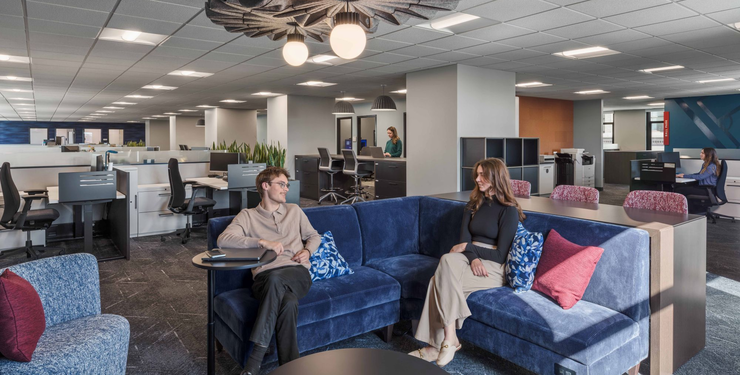
Another relevant theme that the return-to-office debate is far from over, but the conversation has evolved. Many organizations appear to have accepted that a five-day, in-office future is unlikely for most knowledge workers. At the same time, few have found a perfect solution for creating workplace experiences that genuinely draw people together. The discussion has become less about mandates and more about creating purpose and value in the workplace.
People want flexibility, but perhaps more importantly, they want control. Control over where they work, how they work, and how they collaborate. The challenge for employers is balancing that desire for autonomy with the very real need for culture, innovation, mentorship, and human connection. No silver bullet emerged from the summit, but the conversation felt more realistic and more honest than it did several years ago.
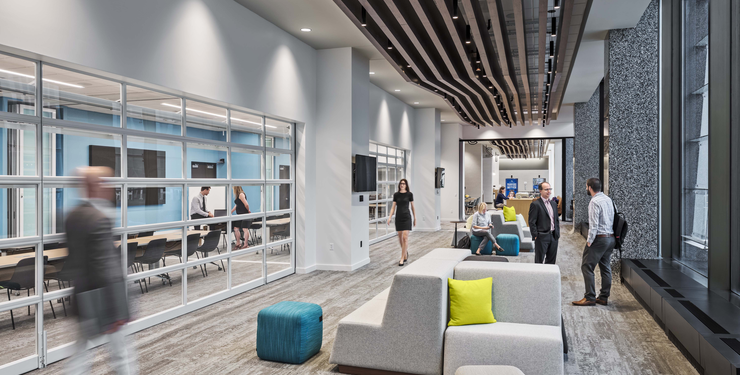
From a workplace perspective, I was encouraged by how much the conversation has shifted away from mandates and toward experience. Several years ago, many organizations were focused almost entirely on attendance. Today, the more productive conversations seem to focus on value. If employees are making the effort to come together, what are they coming together for? How does the workplace support collaboration, mentorship, culture, learning, and innovation? These are questions we're hearing more frequently from clients, and they're significantly more practical than debating a specific number of days in the office.
The Lasting Value of Human Connection
Some of the best moments of the week were not the large presentations; they were the smaller learning sessions where groups of practitioners worked through real business challenges together. There is something powerful about sitting shoulder-to-shoulder with people from different organizations, discussing real problems, and sharing real experiences. The depth of those conversations often exceeded what happens during a traditional panel discussion.
Those sessions reinforced something I have always believed: people learn best from other people. Technology can accelerate knowledge sharing. AI can organize information, but growth still happens through relationships, conversations, and shared experiences. For all the discussion around automation and analytics, that lesson felt as relevant as ever.
To summarize CoreNet Global Summit Chicago in a single sentence, it was a gathering of industry-leading real estate professionals working through challenges that no organization has fully solved, but all of us are trying to solve together. The future will undoubtedly include more AI, more automation, and more sophisticated analytics. Yet my lasting takeaway is that the organizations making the greatest progress are combining technology with trusted data, strong processes, and meaningful human connection.
Leaving Chicago, I was reminded that real estate, workplace strategy, and technology are ultimately business tools. Their value isn't measured by the space itself, but by how effectively they help organizations achieve their goals. I didn't leave with a list of answers. Instead, I left with greater appreciation for how many organizations are wrestling with the same issues and how valuable it is to learn from one another. The most productive conversations were not about having everything figured out. They were about openly sharing experiences, asking better questions, and collectively searching for better solutions.
The challenges facing corporate real estate are not going to be solved by any one company, consultant, technology platform, or AI model. They will be solved by people coming together, sharing experiences, challenging assumptions, and learning from one another. That is why gatherings like CoreNet Global remain so valuable. Not because anyone has all the answers, but because together we're more likely to find them.
If you're interested in learning more about our strategic design approach in the workplace market, please fill out the form below.
Author
Content Type
Date
November 18, 2026
Practice
Topic
Conferences
Workplace Strategy
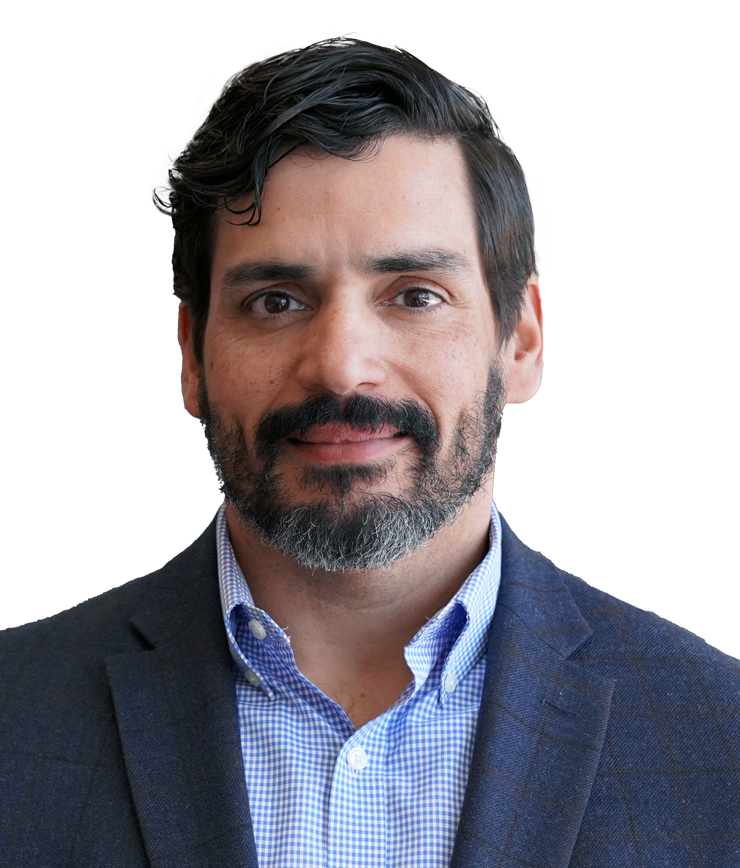
Eric Palomino, Client Leader
Eric brings over 20 years of experience as a global real estate and facilities executive to his role at BHDP Architecture as Workplace Client Leader. With a passion for corporate interiors and retail environments, he is adept at real estate strategy, capital project planning and delivery, site selection, and portfolio optimization. Eric translates business goals into physical environments that are functional, flexible, and human-centered.